Key Highlights
- A $12B support package targets farmers hit by rising tariffs fallout.
- Relief aims to secure a key voting bloc as input costs surge.
- The majority of the funds are to be disbursed by February 28.
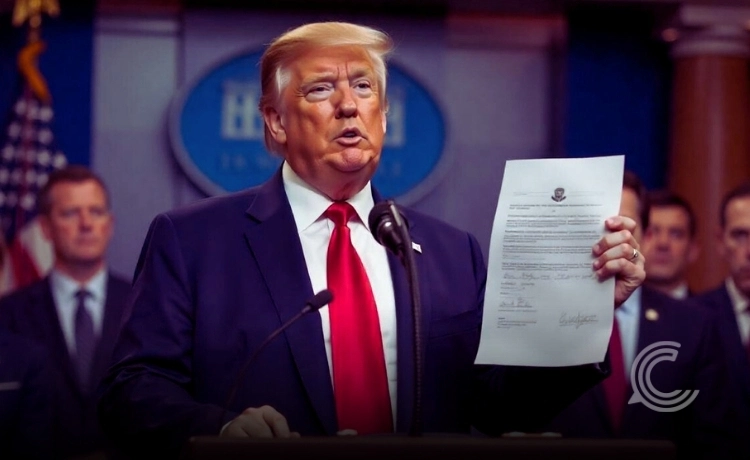
US President Donald Trump announced a $12 billion aid package for American farmers on Monday, unveiling one of his administration’s most significant interventions yet to support a constituency struck by the financial fallout of the ongoing trade war.
The move, announced during a White House roundtable, is aimed at stabilising producers facing rising costs, weak crop prices, and billions in lost sales tied to China’s retaliatory tariffs, as reported by Reuters.
Farmers Get a Fresh Lifeline as Tariff Pain Grows
The package arrives at a time when farm groups and Republican lawmakers from agriculture-heavy states have been pushing for targeted relief ahead of next year’s planting season.
Many producers are struggling to pay for essentials such as seeds, fertiliser and fuel costs that have soared since the trade war escalated.
Administration Seeks to Reassure a Loyal Voting Bloc
Trump, flanked by Treasury Secretary Scott Bessent and Agriculture Secretary Brooke Rollins, framed the aid as both economic support and recognition of farmers’ loyalty throughout the tariff battles. Growers representing major crops, including corn, soybeans, wheat, rice, sorghum and cotton, were present for the announcement.
“This relief will provide much-needed certainty to farmers as they get this year’s harvest to market and look ahead to next year’s crops,” Trump said, adding that the support would help keep food prices stable for American families.
Rollins told reporters that $11 billion of the package will begin reaching row-crop farmers by February 28, while the remaining $1 billion for fruits, vegetables and speciality crops will be allocated once programme details are finalised.
How the Aid Will Be Funded and Distributed
According to US officials, the money will flow through the Commodity Credit Corporation, a discretionary USDA fund that has historically been used to stabilise farm income. Rollins said the payouts would be offset using revenue generated from Trump’s tariffs, though she did not provide specifics.
Richard Fordyce, USDA under secretary for farm production and conservation, said payment amounts will depend on acreage, production costs and additional factors tied to farming operations.
Democrats, however, argue that the administration is treating the symptoms rather than the cause. Senator Amy Klobuchar, the top Democrat on the Senate Agriculture Committee, said the simplest fix would be ending “tariff taxes” that sparked the downturn.
Rising Costs and Lower Revenues Intensify Pressure
Producers across the Midwest continue to face sharply higher input costs, including fertiliser and chemicals, which the administration says it is reviewing. Soybean growers, according to the American Soybean Association, are bracing for a third straight year of losses in 2025, compounded by weak demand and shrinking export markets.
Trump said he also plans to tackle rising equipment prices, criticising environmental standards that manufacturers must meet. He urged companies like John Deere to lower machinery costs, arguing that regulatory requirements “don’t do a damn thing except make it complicated.” A spokesperson for the company told Reuters it supports the farmer aid programme and is working to help producers reduce expenses.
The president further claimed he has asked China’s President Xi Jinping to expand Beijing’s soybean purchase commitments. “I think he’s going to do more than he promised,” Trump said.
Billions in Past Support, But More Turbulence Ahead
Farm assistance has surged under Trump. During his first term, his administration distributed $23 billion in relief tied to trade conflicts. This year, US farmers are expected to receive nearly $40 billion in government payments, one of the highest totals on record, driven by ad-hoc economic and disaster aid.
Yet economists warn of rough years ahead. Net farm income could fall by over $30 billion in 2026, largely due to lower payments and persistently weak crop prices, according to projections from the Food and Agricultural Policy Research Institute at the University of Missouri.