What Australian Kids Can Still Access After the Social Media Ban

Key Points:
- Australia social media ban requires ten major platforms, including TikTok, Instagram, and YouTube, to take “reasonable steps” to prevent or remove accounts held by users under 16.
- The legislation specifically excludes communication services like WhatsApp and Facebook Messenger, as well as educational and certain gaming platforms.
- The onus of enforcement, which includes facing substantial fines, rests entirely on the social media companies, not on parents or children.
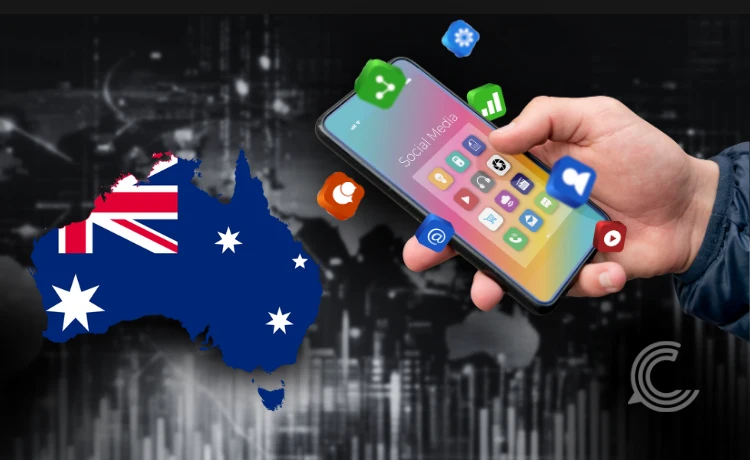
Australia officially begins enforcing its landmark law, the Online Safety Amendment (Social Media Minimum Age) Bill 2024, today,
The move makes Australia the first nation to introduce a minimum age of 16 for accounts on specified social media platforms.
Australia Social Media Ban: World-First Step in Protecting Children
The country’s primary mission is to make the Internet a safer place and protect children against content and algorithmic recommendations associated with mental illnesses, cyberbullying and other threats.
Prime Minister Anthony Albanese described it as a proud day and said that the law shows the lawmakers can successfully deal with online harms, as reported by the ANI.
Which Platforms are Banned?
The Australian eSafety Commissioner, which regulates online safety in the country has come up with a list of the sites that are required to abide by the new age restrictions. This list currently comprises::
Meta Platforms: Instagram, Facebook and Threads.
Video and Streaming: Tik Tok, YouTube, Kick, and twitch.
Others: Snapchat, Reddit and X (previously Twitter)
These companies are now required to deploy age verification methods and actively remove or deactivate accounts belonging to Australian users under the age of 16. Tech giants like Meta, the parent company of Facebook and Instagram, have already begun the process of locking or deactivating accounts ahead of the deadline
Companies that fail to take “reasonable steps” to prevent underage access face substantial civil penalties, including fines of up to $49.5 million AUD.
What is Not Banned for Under-16s
The law is centered on social media sites that utilize algorithmic feeds and social functionality that may be detrimental especially to immature minds. Importantly, the legislation does not address a number of common online services, which is why millions of children have access to essential digital tools and communication platforms.
Direct Messaging and Communication Apps: Apps that are based on the one-to-one or a small group application, such as the WhatsApp and Facebook Messenger, are not a part of the ban. These platforms are still considered to be an important way of the youths communicating with friends and relatives.
Child-centered and educational Content: Kid-friendly (or education-focused) platforms such as YouTube Kids and Google Classroom are not affected in general. These are considered to provide age-related content and environments.
Gaming Platforms: Another popular gaming service, such as Roblox and Discord, is not subject to the existing age limitation. These platforms are commonly a combination between gaming and socialization, though they are not classified as a regular social media.
Industry Pushback
The action by Australia is being closely followed globally and other countries such as Malaysia, Denmark, and France are contemplating the same action in protecting children.
There are however much criticism to the ban. The tech companies claim that the law is a blunt tool which has limited access by teens to essential social networks and community support.
Meta added that the new law will regrettably deny teens these advantages and will create unequal protections on the various apps they frequent. There has also been resistance among some teenagers with one 15year old stating that the law is excessively far and might drive young users to unregulated areas of the internet, as reported by Reuters.
Will the Ban Work?
Advocates, such as clinical psychologists and the Australian government, argue the ban is a vital “delay” that shields the developing adolescent mind and avoid the dangers of predatory algorithms, cyberbullying, and other detrimental mental health effects, based on the fact that excessive use of such sites has been linked to anxiety, depression, and poor self-worth.
Moreover, even non-governmental organizations, such as UNICEF Australia, warn that attempts to address only the problem of access restrictions, but not the mandatory introduction of basic safety measures into the platforms themselves, will not help to eliminate the root causes of digital harm, which concerns users of both generations.