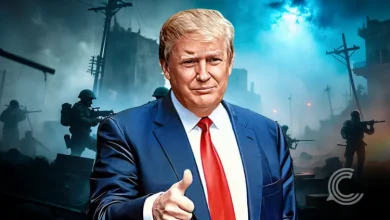
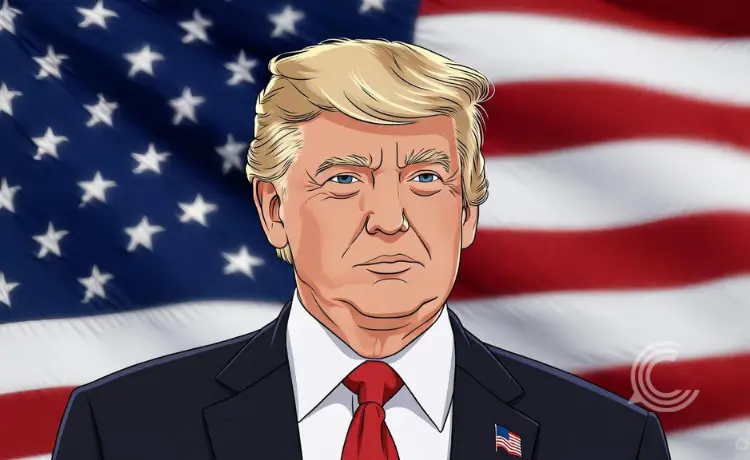
Standing before a backdrop of top national security advisors at his Mar-a-Lago club, President Donald Trump clarified the fate of millions of barrels of crude oil recently intercepted by the U.S. Coast Guard.
The President asserted that the United States has no intention of returning the confiscated cargo or the vessels themselves.
“We’re gonna keep it,” Trump told reporters on Monday, referring to the crude oil seized from two vessels in international waters.
The President further detailed that the administration is weighing several options for the resource: “Maybe we will sell it, maybe we will keep it,” he said, noting that the oil could also be used to replenish the U.S. Strategic Petroleum Reserve
Donald Trump’s remarks follow a series of high-stakes maritime interdictions carried out by the U.S. Coast Guard and Navy, which have effectively paralyzed tanker traffic leaving Venezuelan ports.
The Spoils of a Naval Blockade
Trump’s comments provide the first definitive look at the administration’s “finders-keepers” policy regarding sanctioned commodities.
According to him, the oil, estimated to be worth hundreds of millions of dollars, will not be returned to Caracas or its intended buyers in Asia. Instead, the U.S. is looking at internal ways to utilise the windfall.
He also suggested that the oil could be sold to offset the costs of the military operations or simply kept for domestic use.
Furthermore, the President confirmed that the physical ships, including the recently captured Skipper and Centuries, would remain under U.S. control indefinitely. “We’re keeping the ships also,” he added.
Operation Southern Spear Escalates
The latest seizure is part of ‘Operation Southern Spear,’ a massive naval buildup in the Caribbean, including waters near countries such as Jamaica, that the White House describes as a ‘quarantine’ of illicit goods.
The operation has involved the aircraft carrier USS Gerald R. Ford and a fleet of destroyers intended to choke off the revenue streams of President Nicolas Maduro, whom the U.S. has indicted on narcoterrorism charges.
While the administration maintains that these seizures are legally supported by federal warrants and “right to visit” international maritime laws, the Venezuelan government has denounced the actions.
As reported by The Guardian, Caracas has labeled the interdictions “acts of international piracy” and “blatant theft,” claiming the U.S. is violating international law to seize natural resources that belong to the Venezuelan people.
Economic and Legal Shockwaves
The strategy appears to be achieving its primary goal: economic strangulation. Market data indicates that Venezuelan oil exports have plummeted since the first major Venezuelan oil seizure on December 10.
Dozens of tankers are reportedly idling in Venezuelan waters, hesitant to enter international shipping lanes for fear of being the next target of the U.S. “Armada.”
Legal experts, however, are raising concerns about the precedent being set. Unlike traditional sanctions, which freeze assets, the physical seizure and potential sale of foreign oil in international waters move the U.S. into uncharted legal territory.
Critics argue that without a formal declaration of war, such a blockade could be interpreted as an act of aggression.
What the Future Holds
As the U.S. continues to pursue a third tanker, the Bella 1, the President remains unmoved by international criticism or threats from Caracas.
During his Palm Beach remarks, Trump suggested that Maduro’s “days are numbered” and that it would be “smart” for the Venezuelan leader to step down.
For now, the administration’s focus remains on the logistical management of the Venezuelan oil seizure.
Whether the crude ends up in the salt caverns of the Strategic Petroleum Reserve or is sold to the highest bidder, the message from Palm Beach is clear: the U.S. is no longer just stopping the flow of oil: it is claiming it.