Elon Musk’s Grok V9 Sparks Hype and Privacy Debate

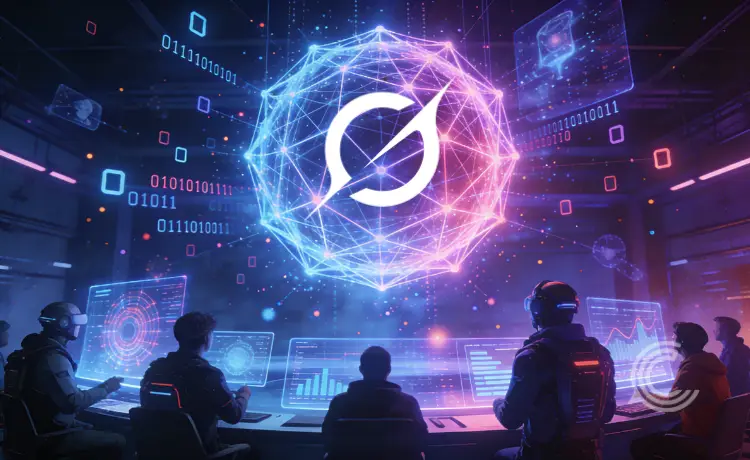
Elon Musk announced on X today, May 25, 2026, that Grok’s next-generation foundation model, V9-Medium (1.5 trillion parameters), has finished training and is about to enter the final stages before its big public release. With this announcement, Musk also stated that the evaluation metrics look strong, additional Cursor-sourced data was added during supplementary training, fine tuning is underway, and reinforcement learning from human feedback (RLHF) will begin in the coming days. In the post, the tech mogul even stated that the public rollout is expected in the next two to three weeks.
The upgrade represents a big jump from the current production model, V8-Small, which Musk says is about 0.5T. Early reactions from the developer community and enterprise users ran the gamut; excitement about a step-change in coding and reasoning capability, paired with concern and data suspicion about the provenance of training data – specifically whether private or proprietary code was included without explicit consent.
Why Cursor Data Matters?
Cursor is something that is known for tools that help developers reason about and interact with the source code. Adding Cursor material can improve a material’s practical understanding of code structure, debugging patterns, and real-world coding workflows. This should translate into more accurate code generation, fewer hallucinated functions, and better context-aware suggestions for complex tasks such as hardware control, robotics safety checks, and multi-file refactors.
Supporters in developer threads on X hailed the move as a potential breakthrough. “If those evals hold up, this could be a serious leap in coding and reasoning performance,” one comment read on the post. A lot of people from the community think and hope that Grok V9 will finally handle tricky scenarios, like preserving emergency stop logic or understanding torque curves, without deleting crucial safety code during automated edits.
Privacy and Consent Concerns
Since there has been mention of Cursor data, it ultimately triggered immediate worries about privacy and intellectual property. Multiple commenters asked whether private code repositories and enterprise codebases were scrapped or otherwise incorporated without developers’ explicit opt-in. If proprietary or sensitive code ended up in training sets, that could violate corporate policies, contractual obligations or even data protection rules in some jurisdictions.
Experts in AI data governance point out that the mere use of Grok’s code snippets from public sources can still be problematic if scrapped at scale and mixed with privately contributed material. Clear, auditable provenance and opt-in mechanisms are increasingly considered best practice for keeping trust between platform providers and developers communities. Until Grok’s team clarifies the sourcing, legal and ethical questions will likely persist.
Performance Gains and Real-World Impact
If we assume that the evals are accurate, a model at 1.5 trillion with some additional RLHF should offer substantial improvements in multi-step reasoning, longer-context comprehension, and domain-specific coding tasks.
For software teams, that can mean faster prototyping, fewer manual fixes, and better automated suggestions for architecture and debugging. In a way, it will reduce time spent chasing elusive bugs or edits that are unsafe.
However, since the capacity has increased, there comes a greater responsibility. AI coding tools that generate or modify executable code must be tested extensively so that dangerous errors can be avoided, especially in safety-critical systems. The community’s cautious optimism about better performance is tempered by calls for transparency in training data and rigorous pre-release safety testing.
What’s Next?
Elon Musk said that Grok’s reinforcement learning phase will begin in the next few days, with a public launch likely within two to three weeks. This means developers may first test the AI in limited stages before everyone gets access. People are also questioning where Grok learned its coding skills and whether private or copyrighted code could appear in its answers.