
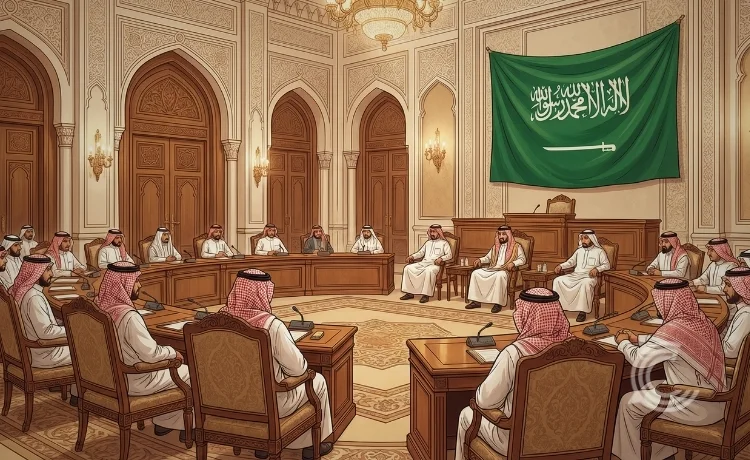
Key Highlights
- Saudi Arabia approves 2026 state budget worth $350 billion, supporting Vision 2030 and diversification efforts.
- Mega-projects like NEOM, The Line, Red Sea Tourism, and Qiddiya are expected to attract global investors.
- Riyadh positions itself as a rival to Dubai, aiming to become the Gulf’s fastest-transforming economy.
Saudi Arabia’s recently approved 2026 budget of 1.313 trillion riyals ($350 billion) signals its intent to challenge Dubai’s longstanding dominance as a regional hub for business, tourism, and investment.
Saudi vs Dubai: A New Gulf Rivalry Takes Shape
With global corporations and investors increasingly eyeing Riyadh, experts suggest the Kingdom is aiming to redefine the Gulf’s economic map, positioning itself as an alternative for Western investors and expats. “The Kingdom is now stepping into the league once dominated by Dubai, offering mega-projects and investment-friendly policies that rival anything seen in the Gulf so far,” said a regional investment analyst.
Beyond Oil: Saudi Arabia’s Ambitious Economic Diversification
A significant aspect of Saudi Arabia’s strategy is to reduce its dependence on oil and gas. Vision 2030 has already spurred growth in sectors like tourism, entertainment, renewable energy, and financial services. Finance Minister Mohammed Al Jadaan highlighted that the 2026 budget is strategically directed to strengthen non-oil sectors while maintaining fiscal prudence, reinforcing the Kingdom’s long-term vision of a diversified economy.
Saudi Arabia projects GDP growth of 4.6% in 2026 while keeping the budget deficit manageable at 3.3% of GDP, reflecting a careful balance between ambitious development and financial sustainability, according to the Saudi Press Agency (SPA).
The World’s Fastest Transformation: Vision 2030 in Action
The Kingdom’s mega-projects are on a scale rarely seen globally. Initiatives such as NEOM’s futuristic city, The Line linear urban development, Red Sea Tourism Project, and Qiddiya entertainment hub underscore Saudi Arabia’s ambition to accelerate urban, technological, and social transformation.
Crown Prince Mohammed bin Salman emphasized that ministers and officials must prioritize citizens’ well-being while ensuring rapid implementation of these projects, a directive that experts say could make Saudi Arabia one of the fastest-transforming economies in the world.
Global Investments Eyeing the Kingdom
Saudi Arabia is increasingly attracting the attention of global investors, much like Dubai did in the 2000s. High-profile moves such as the Saudi Public Investment Fund’s football club acquisitions have already demonstrated the Kingdom’s ability to secure international visibility and investment interest.
The 2026 budget further bolsters initiatives to draw foreign direct investment (FDI) into giga-projects and new sectors, indicating confidence in Saudi Arabia as a sustainable investment destination. Analysts note that companies from Europe, the US, and Asia are already evaluating opportunities in various sectors, including tourism and entertainment, as well as fintech and renewable energy.
Saudi Arabia’s 2026 Fiscal Blueprint
The Saudi government forecasts public revenues of 1.147 trillion riyals ($306 billion), leaving a projected deficit of 165 billion riyals ($44 billion). Public debt is estimated to reach 1.622 trillion riyals ($432 billion), approximately 32.7% of GDP, reflecting prudent financial management despite ambitious spending.
By maintaining substantial reserves and careful fiscal planning, Saudi Arabia aims to support rapid development while avoiding macroeconomic instability.
Riyadh Bets Big on Global Investments
Funds from the 2026 budget will be directed toward enhancing essential services, supporting giga-projects, and implementing social programs aligned with Vision 2030. The Kingdom’s mega-projects are designed not only to diversify the economy but also to attract global investors, creating a business ecosystem reminiscent of Dubai’s rise.
From high-profile investments in sports and entertainment to infrastructure projects such as NEOM, The Line, Red Sea Tourism, and Qiddiya, Saudi Arabia is leveraging strategic spending to enhance its global profile. Officials are tasked with ensuring that each project directly contributes to long-term economic and social goals, presenting Riyadh as a credible rival to Dubai in attracting international capital and talent.