Breakthrough: At-Home Brain Stimulation Device Gets FDA Approval

Key Points:
- The FDA approved the Flow FL-100, the first prescription, non-drug, at-home device for treating moderate to severe Major Depressive Disorder (MDD).
- The device uses low-intensity Transcranial Direct Current Stimulation (tDCS) to deliver a gentle electrical current to the brain’s prefrontal cortex, an area often underactive in depressed patients.
- Clinical trials demonstrated significant reductions in depressive symptoms, with efficacy shown in patients using the device both as a standalone therapy and as an adjunct to medication.
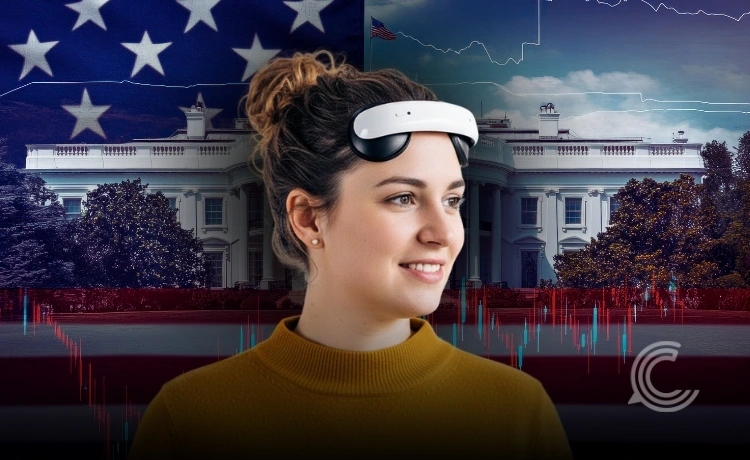
The U.S. Food and Drug Administration has approved a prescription device for home, non-pharmacological use in treating moderate to severe cases of Major Depressive Disorder.
FL-100, a headset device manufactured by Flow Neuroscience, has been granted approval as a stand-alone treatment as well as in conjunction with pharmacological therapy for moderate to severe depressive episodes in adults, Reuters reported today.
The approval means that access to neuromodulation therapy will no longer be confined to a clinician’s office but rather be available in a patient’s living room—it has the potential to provide a lifeline for the millions of Americans who are not responding to traditional anti-depressants.
A New Paradigm in Depression Treatment
Historically, for many years, depression has been treated with pharmacological interventions, specifically oral medications, and psychotherapy.
Although those treatments are effective for most patients, about a third of over 20 million adults with MDD in the U.S. experience limited benefits from pharmacological interventions due to side effects, which contributes to patient dropout. This void in patient needs has prompted research for alternative approaches.
According to Fierce Biotech, this device is expected to address key barriers to care, including the cost and time required for frequent clinic visits associated with other neuromodulation techniques like repetitive Transcranial Magnetic Stimulation (rTMS).
How Home Brain Stimulation Works
FL-100 headset provides a constant low-level electrical current to the brain, which is usually 2 mA. This particular methodology has been named tDCS, which stands for Transcranial Direct Current Stimulation, with a goal of influencing brain activity.
In depression, this electrical current has been specifically directed to the left dorsolateral prefrontal cortex area of the brain, which is a key area that regulates mood and has been found underactive in people suffering from MDD.
Unlike other powerful and clinic-based therapies, the current used in tDCS is sub-threshold. This means that it does not cause a nerve impulse but rather affects how excited the nerve cells are.
The idea here is that it assists in encouraging those underactive nerve cells to work better by increasing the transmission between those nerve cells and by increasing how plastic the brain is. This takes a total of 30minutes daily.
MK-6482 Clinical Data and Safety Profile
The regulatory body’s move was informed by a randomized, sham-controlled study that involved 174 patients and was published in Nature Medicine. This group of patients followed 10 weeks of in-home therapy that was remotely supervised using video conferencing.
The outcome showed that there were significant improvements in standard depression scales administered by clinicians as well as patient-administered questionnaires.
Also, it was noted that this device proved useful in patients who were on anti-depressants as well as those not taking anti-depressants, pointing towards how versatile this device turned out to be.
Most importantly, this device proved to be a safe and tolerable device with side effects confined to mild, temporary skin sensations of tingling, pruritus, or erythema around the site of application of electrodes.
This characteristic of the device turns out to be a major benefit over other drug-based options that are known for their side effects.
You May Also Like – Medical Device Events
The Regulatory Framework: A Digital Health Perspective
This approval reflects the FDA’s overall strategy of promoting access to digital health devices, as seen in the launch of the TEMPO Pilot, which went live in December 2025.
The TEMPO Pilot aims responsibly to promote innovation and increase patient access to chronic diseases, including those related to behavioral health, such as depression, as reported by the FDA.
The regulatory approval of the Flow device, which was already seen as a Breakthrough Device by the FDA, indicates a recognition that At-Home Brain Stimulation has been effective and offers safe care, which will result in a huge wave of investment in the Digital Psychiatry industry.