U.S.-Iran Talks Stalls, Oil Rises and Crypto Falls

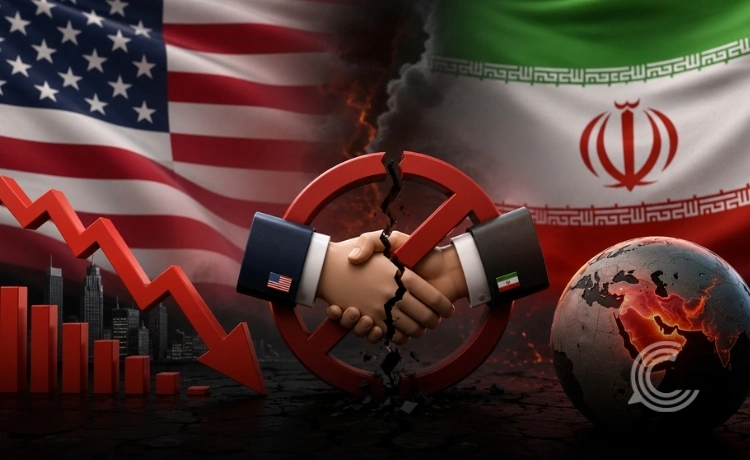
Iran has suspended talks with the United States and cancelled its planned trip to Switzerland. This decision turned the peace process into chaos just a day after an interim memorandum was signed. Tehran says Israeli strikes in Lebanon breached the agreement, and global markets are already reacting negatively.
What Exactly Happened
On June 17, 2026, the United States and Iran reached an interim memorandum which was aimed at ending the conflict and reopening of the Strait of Hormuz. A formal signing ceremony and follow-up talks were scheduled for today, June 19, 2026, at the Bürgenstock resort in Switzerland, with U.S. Vice President JD Vance and Iranian officials were expected to attend.
However, the meeting was postponed today itself. The Swiss Foreign Ministry announced and confirmed that the planned U.S.-Iran talks would not take place as scheduled. JD Vance cancelled his trip to Switzerland. U.S. officials cited logistical challenges, whereas Iranian officials expressed concerns over ongoing Israeli military operations in Lebanon.
Escalating Lebanon Conflict Clouds Peace Efforts
The decision to postpone has come at a time when tensions between Israel and Hezbolla are intensifying. Overnight, Hezbollah reportedly killed four Israeli soldiers, triggering a fresh wave of Israeli airstrikes across southern Lebanon. Lebanese authorities said at least 18 people were killed, with one of the strikes also hitting the Bekaa Valley.
Markets React: Oil Surges, Crypto Plummets
Risks assets are coming under heavy pressure as investors flee to safety. A lot of people thought tensions were starting to cool but that is not the scenario as of now. The crypto market is down by 2.7% and the crypto market capitalization has hit $2.2 trillion. Bitcoin is down by 3% and is hovering around the $62,500 mark.
Michael Saylor, CEO of Strategy (formerly known as MicroStrategy) stated in an X post, “Markets are closed today. Volatility is never easy. Bitcoin keeps working. So do we. Thank you for your support.” This post came in at a time when there is volatility within the crypto market that is driven by geopolitical developments.
Ethereum is down by 3.2% and the price of the token is hovering around $1,690. Solana’s price is down by 4.2% and hovering around the $68 mark. On the contrary, Brent oil is up by 0.5% to $79.84 per barrel as per Trading Economics.
Why This Matters for Crypto and Regular Investors
Oil is moving higher, and the Bitcoin-oil connection means energy prices directly impact crypto markets through inflation expectations and Fed policy. When oil rises above $80, it typically pushes inflation concerns higher, which keeps interest rates elevated, which is bad news for risk assets like crypto.
The Strait of Hormuz remains critical for global oil supply, and the interim deal’s failure means supply uncertainty persists. This uncertainty keeps oil prices elevated, which indirectly pressures crypto through macroeconomic channels.
For regular investors: higher oil means higher gas prices, higher inflation and potentially slower economic growth. For crypto traders, risk off sentiment typically means money flows out of Bitcoin and into safe assets like gold or Treasury bonds.
On that note, central banks are doubling down on gold; 45% of reserve managers plan to increase their gold holding, while 89% expect global gold reserves to continue growing. With this, the precious metal has now surpassed the euro to become the world’s second-largest reserve asset.
What’s Next?
Analysts reckon a lasting resolution to the Middle East conflict will take some time to materialize. The Swiss announcement adds uncertainty to the next stage of negotiations after the interim memorandum.
With Trump’s unconditional surrender demand and Israel’s continued strikes, the diplomatic path forward looks increasingly blocked. Markets will remain volatile until there is clarity on whether the ceasefire holds or if tensions escalate further.